
When Your Plan Stops Working, Choose the Next Useful Move
You made a plan. You put time into it. You told people what you were going to do. Then something changed—and you kept following the original plan anyway.
That moment deserves attention. Sometimes persistence means continuing through discomfort. Sometimes it means changing the route so you can still do what matters. The work is learning to tell those situations apart.
When your plan stops working, start with a more useful question than “Why can’t I make this happen?” Ask: “What am I trying to protect, and what can I change?”
Separate the goal from the route you chose
A goal might be to become dependable, rebuild a professional direction, finish meaningful work, or lead your team well. A route might be a particular schedule, conversation, job title, or method.
Those are connected, but they are not identical. You can remain committed to the goal while admitting that the route needs work.
Hypothetical example: You planned to spend an uninterrupted hour each morning on an important project. Your responsibilities changed, and that hour no longer exists. For two weeks, you keep postponing the work until the ideal morning returns. You still care about the project. Your method no longer fits your day.
A useful adjustment might be a protected twenty-minute block and a smaller deliverable. It is less impressive on paper. It is also something you can actually do.
Look for evidence before you defend the plan
Write down what has changed in observable terms. “Everything is a mess” gives you little to work with. “The person I need is unavailable until Friday” gives you a decision.
Try three lines:
What I expected: the condition my original plan relied on.
What is happening: the fact I can observe today.
What that changes: the part of my plan that needs a different approach.
Keep interpretation separate from fact. A missed reply is a missed reply. It may be inconvenient, but it is not enough evidence to decide someone has rejected you, that you have failed, or that the entire effort is pointless.
Make one decision you can own
You may not control when someone answers, whether a role opens, or whether a day unfolds as expected. You can often control the quality of your next message, the work you prepare, or the commitment you make next.
Choose an action small enough to complete and meaningful enough to matter. Then name a time to review it. A backup plan without a decision point can turn into another way to wait.
For the project example: “I will finish the first section in tomorrow’s twenty-minute block. On Friday, I will review what I completed and decide whether this schedule is realistic.” You have an action and a way to learn from it.
If you lead people, make changing course discussable
Your team watches what happens when someone brings inconvenient information. If every change of plan becomes a search for blame, people have a reason to stay quiet until the problem is harder to address.
Try asking, “What assumption no longer holds?” Then ask, “What do you recommend we change?” Those questions invite a useful answer while keeping responsibility in the room.
Changing direction still requires clarity. Explain what changed, what remains expected, who owns the next action, and when you will review progress. Avoid leaving people with a vague instruction to “be flexible.”
For a practical workplace safety example, Prepare To Act examines what happens when the first call for help goes unanswered. For a household example, Less Lethal Guide looks at backup light, information, and device power during an outage; that guide contains affiliate links. Different settings, same useful question: what does the plan depend on?
A five-minute reset for today
Name the goal. What is still worth doing?
Name the changed condition. What is different now?
Release one assumption. What no longer needs to happen exactly as you pictured it?
Choose the next useful action. What can you complete with the resources you have?
Set a review point. When will you check whether the new approach is working?
You do not have to defend every version of your plan to be a person who follows through. You do have to be honest about the conditions in front of you and take responsibility for the next decision.
Write your next useful action down. Put a time beside it. Begin there.
To bring a conversation about accountability, decisions under pressure, and leading through change to your organization, inquire about a Shift Strategy speaking session.
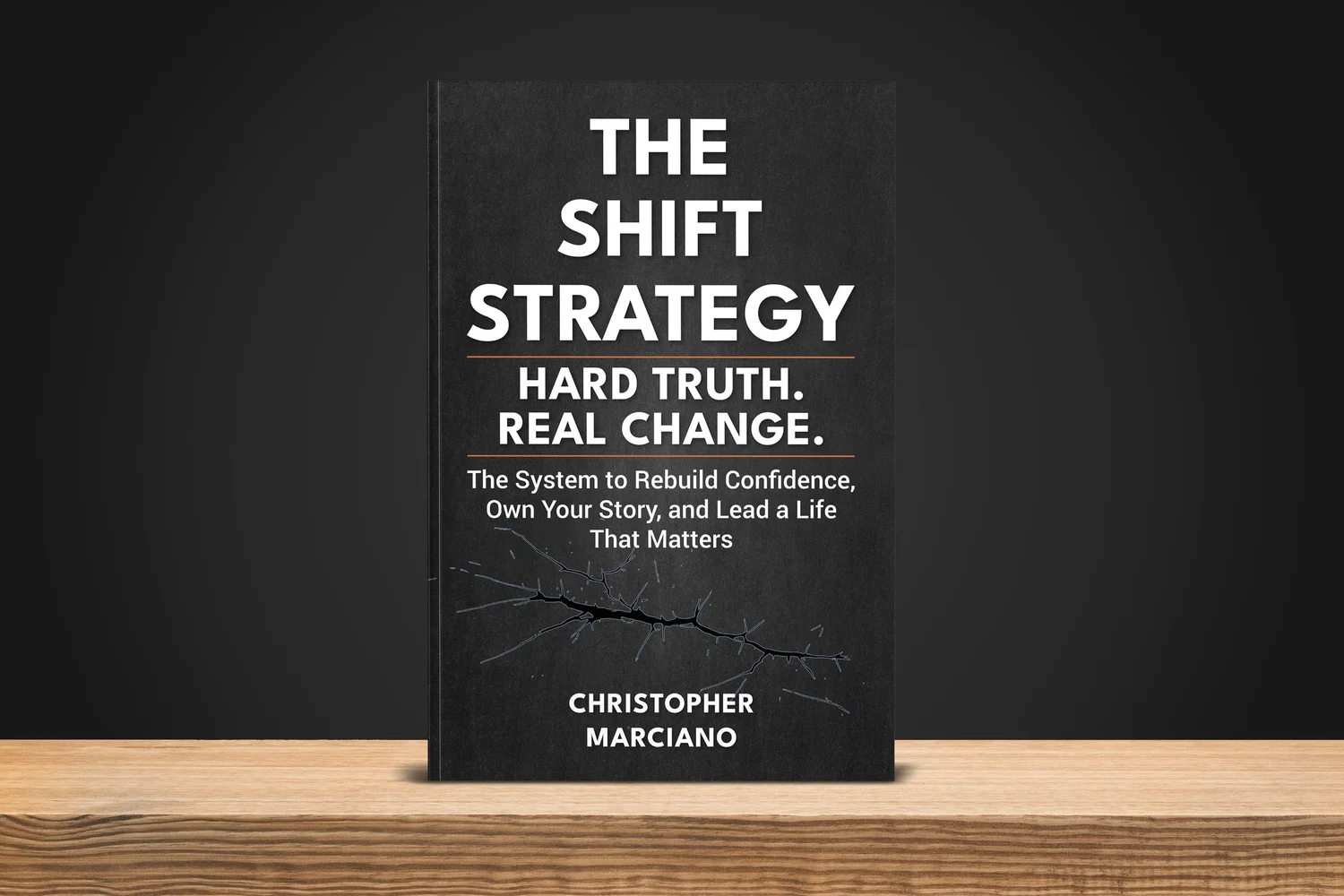
Chris Marciano is the founder of Prepare To Act and the creator of The Shift Strategy. He brings approximately 25 years of law-enforcement experience to practical conversations about leadership, accountability, and change.